What Harrow Council permits mean for event floral displays
Posted on 19/10/2026
If you are planning flowers for a wedding, community celebration, corporate function, or memorial gathering in Harrow, the permit side can feel a bit murky at first. You know the flowers matter. You also know the venue looks better with a considered floral display. But then the questions start: do you need permission, who grants it, what counts as a display, and how do you avoid a last-minute headache?
What Harrow Council permits mean for event floral displays is, in plain English, the practical boundary between creative floristry and local rules. It affects where arrangements can go, how they are installed, whether they sit inside a venue or on public land, and who is responsible if something blocks access or creates a safety issue. Get it right and the whole event feels smoother. Get it wrong and even a beautiful design can become an awkward conversation. Let's keep it simple, useful, and properly grounded.
In this guide, we will break down what these permits usually mean in real event planning terms, when they matter, how florists and organisers typically handle them, and what to check before you start ordering materials. You will also find a practical checklist, a comparison table, and answers to common questions people actually ask.
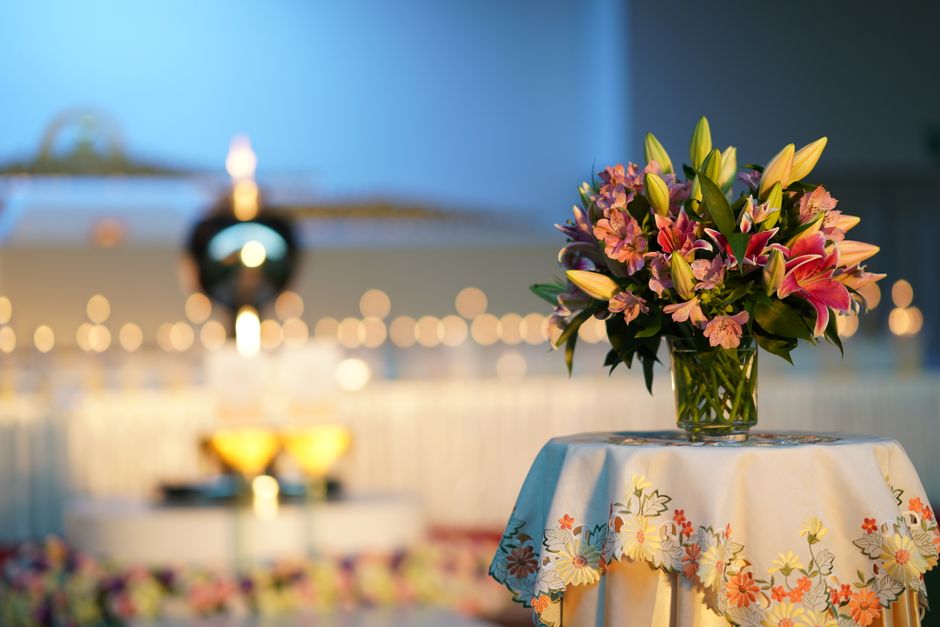
Table of Contents
- Why it matters
- How it works
- Key benefits and practical advantages
- Who this is for and when it makes sense
- Step-by-step guidance
- Expert tips for better results
- Common mistakes to avoid
- Tools, resources and recommendations
- Law, compliance, standards, or best practice
- Options, methods, or comparison table
- Case study or real-world example
- Practical checklist
- Conclusion
- Frequently asked questions
Why What Harrow Council permits mean for event floral displays Matters
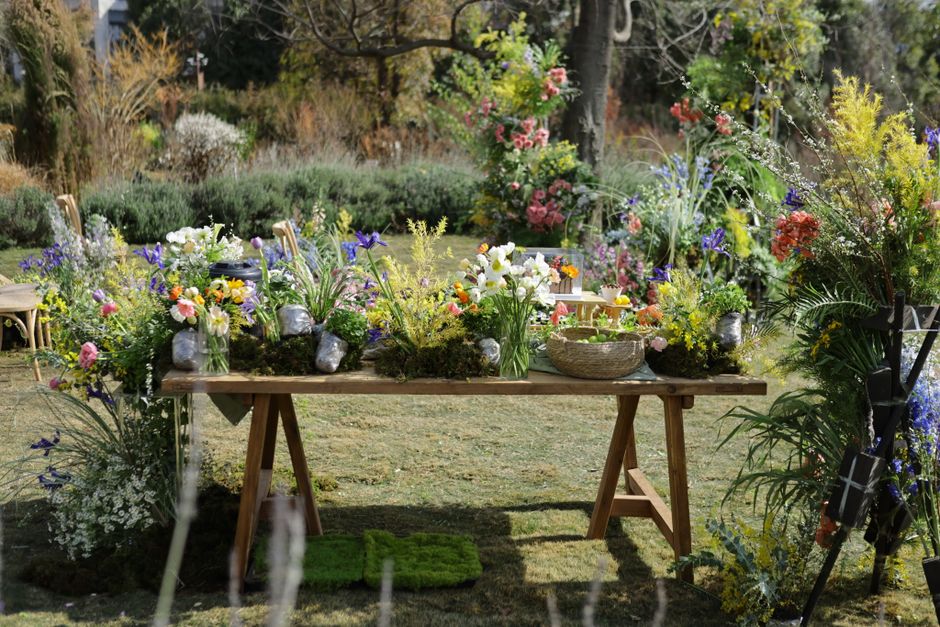
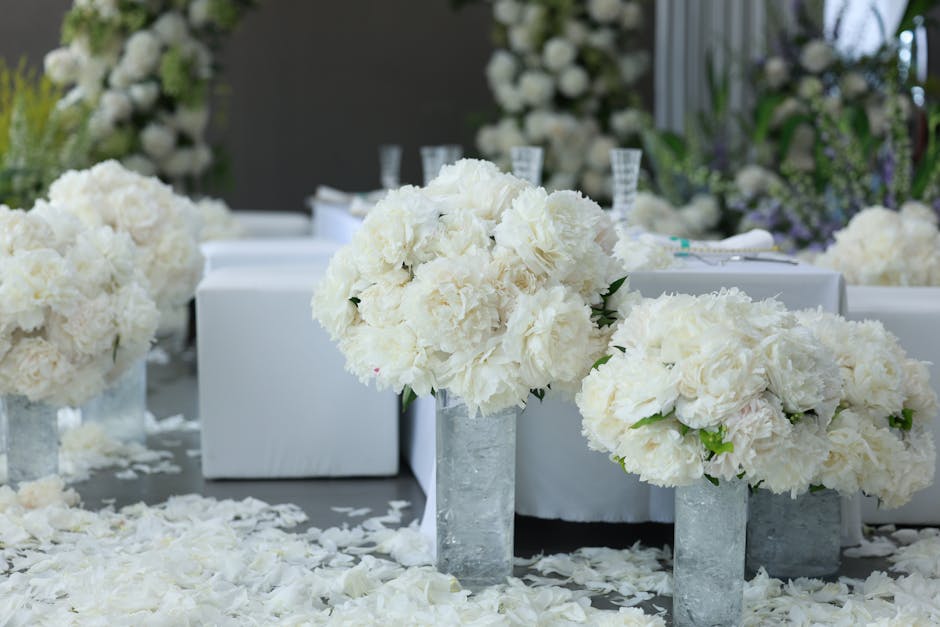
Most event floral displays are not just decorative. They shape the first impression, guide guests visually, soften hard spaces, and help set the tone of the day. A doorway framed with flowers, a long reception table lined with low arrangements, or a ceremony aisle marked with petals can make a venue feel polished in seconds. But once you move beyond a simple hand-tied bouquet or table vase, permissions can start to matter.
That is especially true if the display touches public space, shared access routes, or fixtures that belong to the venue or council. For example, a floral arch on a private hotel terrace is a very different proposition from a floral installation on a public pavement or near a busy entrance. One may only need venue approval. The other may require additional permission, risk checks, or restrictions. Truth be told, this is where many well-meaning organisers get caught out.
The reason it matters is not only compliance. It is also about timing, safety, and protecting the design itself. If you build a large floral feature without clear approval, you may be asked to move it on the day. Nobody wants that while guests are arriving and someone is trying to pin a trailing stem under pressure. Not ideal, to say the least.
There is also the issue of responsibility. Permits often make it clear who is accountable for placement, removal, damage, cleaning, and access. That clarity helps everyone involved: the florist, the event organiser, the venue team, and sometimes the council or building manager. In our experience, the calmest events are usually the ones where the boring details were handled early. Boring, yes. Valuable, absolutely.
How What Harrow Council permits mean for event floral displays Works
There is no single rule that covers every floral display. Instead, permits and permissions usually depend on where the flowers are going, how they are installed, and what impact they may have on public access or safety.
Here is the basic logic:
- Private indoor event spaces usually need venue approval rather than council permission, provided nothing spills into public areas.
- Outdoor displays on private land may still need landlord, venue, or site manager approval, especially for heavy structures or fixed installations.
- Displays affecting public footpaths, roads, parks, or council-managed land are more likely to need formal permission or coordination.
- Temporary installations are often assessed on duration, size, stability, access, and removal plan.
So what does a permit actually mean in practice? Usually, it means someone has reviewed the plan and agreed the display can happen under certain conditions. Those conditions might cover the installation method, working hours, fire exits, trip hazards, waste removal, or the maximum footprint of the arrangement. Sometimes the approval is written. Sometimes it is a documented email exchange. Occasionally it is a venue permit and a separate council process. The detail depends on the location and scale.
For floral work, the key question is not just "Can we place flowers here?" It is "Can we place them here safely, without blocking anything, damaging anything, or creating avoidable risk?" That is the real heart of it.
A useful way to think about it: if the display is light, temporary, fully indoors, and not interfering with anything, the process is often simple. If it is large, freestanding, outdoors, or attached to a structure, you should assume extra checks are needed. That mindset alone prevents a lot of stress.
Key Benefits and Practical Advantages
Permits sound like paperwork, and yes, they are. But they also bring practical benefits that matter on event day.
- Less risk of disruption: Approved installations are less likely to be removed, altered, or challenged at the last minute.
- Clearer responsibility: Everyone knows who is handling setup, inspection, removal, and any damage.
- Smoother logistics: Florists can plan stems, mechanics, delivery timing, and staffing with fewer unknowns.
- Better design decisions: Once limits are known, you can choose the right size, structure, and flower types without guessing.
- Improved safety: Permissions often force a proper look at access routes, weight, stability, and obstruction risks.
- More professional presentation: A compliant display simply looks better because it sits comfortably within the venue or site rules.
There is another benefit people overlook: cost control. If you do not know the restrictions, you may over-order flowers, hire the wrong structure, or build something that needs reworking on the day. That is money and time you do not get back. By contrast, a permit-aware brief helps the florist propose a design that fits the site first time.
And let's be honest, once the candles are lit and the room smells like fresh roses or lilies, nobody remembers the paperwork. They remember the atmosphere. The permit is just the thing that allowed the atmosphere to happen without drama.
Who This Is For and When It Makes Sense
This matters for a wider group than people often assume. It is not just for big public festivals or elaborate city centre installs.
You may need to think about permits or permissions if you are:
- planning a wedding in a venue with outdoor entrance features
- organising a corporate event with branded floral installations
- setting up an event in a community hall that has shared access spaces
- decorating a restaurant frontage or pavement-adjacent area
- arranging flowers for a memorial or remembrance gathering in a public-facing location
- building arches, columns, overhead pieces, or flower walls
- using stands, plinths, buckets, or weighted structures in areas people walk through
If your display stays inside a private space and sits neatly on tables, shelves, or plinths, the permit question may be minimal. If it touches entrances, outside areas, shared walkways, or council-managed land, it becomes more relevant very quickly.
This is also useful for venues and event planners who want to avoid awkward day-of conversations. A couple may fall in love with a huge floral arch on Pinterest, then discover the venue's entrance has strict width limitations and a fire escape nearby. A five-minute permit conversation early on can save an hour of compromise later. Maybe more.
Step-by-Step Guidance
Here is a practical route you can use before placing an order.
1. Identify the exact location
Be precise. "At the venue" is not enough. Is the display going in a ballroom, on a terrace, beside the front steps, or on a public pavement? The exact placement changes everything.
2. Check who controls the space
Some areas belong to the venue, some are council-managed, and some are shared. You need to know who gives permission before design work begins. If you are unsure, ask the venue first. That sounds obvious, but it saves a lot of wandering around in circles.
3. Define the display type
Write down whether it is a table arrangement, freestanding installation, floral arch, floral wall, aisle meadow, hanging feature, or memorial tribute. Different formats bring different practical concerns.
4. Assess size, weight, and access impact
Does it narrow a corridor? Does it sit near an entrance? Could it be knocked over? Can it be delivered through the normal access route? These questions matter more than the flower choice itself at this stage.
5. Confirm installation and removal times
Some sites only allow setup during limited hours. Others need everything removed the same day. A display that looks effortless at 6pm may need two people and a trolley at 8am. That is normal.
6. Put approval in writing
Even a simple email can be enough to confirm what was agreed. Keep the message with your event schedule. If there are conditions, note them clearly.
7. Brief the florist and venue together
Where possible, bring the florist, event organiser, and venue contact into the same conversation. That way the design fits the site, rather than the site being forced to adapt to the design.
8. Build a contingency plan
If the weather turns, access changes, or a feature must be reduced, know your fallback. A smaller arrangement, lighter structure, or indoor substitute can keep the event on track.
A simple example: if you planned a full floral welcome arch outside a venue entrance but the permission only allows a lighter side display, you might scale it into two pedestal arrangements and a sign dressing instead. Not the original idea, perhaps, but still elegant and far less risky.
Expert Tips for Better Results
There is a craft to making floral displays work within permission boundaries. A few small choices make a big difference.
- Choose modular designs: Sections are easier to move, approve, and adjust than one oversized structure.
- Use weighted bases where needed: Stability matters, especially in breezy entrances or busy walkways.
- Keep sightlines open: Guests should be able to see signage, door handles, and exits without peering through foliage.
- Think about clean-up from the start: Petals, water, foam, and foliage offcuts can create mess if there is no plan.
- Match flower choice to duration: Some blooms hold better for long events or warm spaces than others.
- Prefer lower-profile arrangements near circulation areas: They feel generous without becoming obstacles.
One more thing. A permit is not just about permission; it can be a design constraint that improves the work. Constraints sharpen choices. They force elegance, actually. A good florist knows this. A great one enjoys it.
If you are trying to balance beauty with practicality, consider the sensory side too. Thick foliage near a narrow corridor can feel lush in daylight, then oddly heavy under evening lighting. Lower arrangements, cleaner lines, and thoughtful spacing often read better once the room fills up and people start moving around.
Common Mistakes to Avoid
Most problems with floral permits are avoidable. They usually come from assumptions, not bad intent.
- Assuming indoor means exempt: Even indoors, a display can still affect fire exits, access, or venue rules.
- Leaving permission too late: The best time to sort approvals is before the deposit is paid, not the week before the event.
- Underestimating structure: Heavy frames, arches, and hanging pieces need more planning than people expect.
- Ignoring removal logistics: A beautiful setup is only half the job; getting it out cleanly matters too.
- Forgetting weather exposure: Wind, drizzle, and heat can all change how flowers behave outdoors.
- Using one-size-fits-all plans: What works in a ballroom may fail at a listed building entrance or open courtyard.
There is also a smaller but very real mistake: not telling the florist about the permission limits early enough. By the time the brief arrives, the most practical design options may already be off the table. Bit of a shame, really, because the first concepts are often the best if they fit the site.
Tools, Resources and Recommendations
You do not need a huge toolkit, but you do need a reliable planning process. In our experience, the most useful resources are often the simplest.
- Site plan or venue floor plan: Helps identify entrances, exits, walkways, and placement zones.
- Event schedule: Shows setup windows, guest arrival time, and removal deadlines.
- Photo references: Useful for showing the venue contact or florist exactly what you want.
- Budget range: Helps shape a design that is realistic once approval limits are known.
- Written permission record: Keep approval emails and notes together in one place.
- Product selection pages: If you are ordering flowers for a broader event, browsing options such as luxury flower arrangements, florist choice selections, or wedding table arrangements can help you match scale and style to the occasion.
For event planners juggling multiple suppliers, having a single floral point of contact helps a lot. If you need a practical local partner for wider event flowers, a local florist in North Harrow can usually help interpret the venue brief and suggest a design that fits the approval conditions.
It can also help to think in "levels" rather than single products: entrance pieces, table pieces, statement features, and tribute or memory pieces. That makes permit conversations easier because each element can be approved or adjusted separately.
Law, Compliance, Standards, or Best Practice
This part needs careful wording. The exact legal or permit process depends on the site, the nature of the display, and the authority controlling the space. Not every floral arrangement is governed by the same level of approval, and not every event needs a council permit in the first place. That said, best practice in the UK is fairly consistent.
Generally, organisers should make sure floral displays do not:
- block fire exits or escape routes
- create trip hazards
- obstruct accessibility needs
- damage walls, floors, railings, or street furniture
- spill water or debris into public areas without control
- interfere with traffic, pedestrians, or emergency access
If the display uses structures, fixings, or elevated elements, stability and installation method become especially important. A florist may know how to build a beautiful feature, but the venue still needs to know it will stay where it is meant to stay. That balance matters.
Best practice also includes checking insurance, delivery access, and removal responsibility. If anything is attached to a venue surface or placed in a shared area, ask who is responsible if the arrangement causes a mark, a spill, or a complaint. It sounds dull. It is not dull on the day, trust me.
For memorial or tribute pieces, sensitivity matters as much as structure. If you are considering a wreath, spray, or tribute arrangement, products such as wreaths, sprays, and tributes are often chosen because they suit formal settings and can be placed with care and respect. For broader remembrance needs, browsing sympathy flowers can also be helpful.
Options, Methods, or Comparison Table
Not every floral display needs the same level of permission, planning, or build complexity. This quick comparison can help you judge what you are working with.
| Display type | Typical permission need | Main risk | Best use |
|---|---|---|---|
| Table arrangements | Usually low, unless venue has specific rules | Spill, clutter, blocking views | Receptions, dinners, indoor celebrations |
| Freestanding entrance pieces | Moderate, especially in shared or public-facing areas | Stability and access obstruction | Welcoming guests, photo moments |
| Floral arches or hoops | Moderate to high depending on location and size | Wind, weight, installation method | Ceremonies, ceremonial entrances |
| Hanging installations | Often higher due to safety checks | Fixing points and overhead clearance | Large venues, statement decor |
| Public-facing displays | More likely to need formal approval | Pedestrian flow, public liability | Street-side events, outdoor activations |
In simple terms, the more the design interacts with the building, the ground, or the public, the more likely approvals become relevant. If you want a safer middle ground, low-level table styling, vase-led arrangements, and carefully placed focal pieces are usually easier to manage. Not always the most dramatic, but often the most practical.
Case Study or Real-World Example
Picture a late-spring wedding in North Harrow. The couple wants a soft, romantic entrance with pale pink and white flowers, plus a statement arrangement near the ceremony doorway. The venue likes the idea, but the entrance is shared with another function room, and the path needs to remain clear for wheelchair access and emergency use.
Rather than forcing a full floral arch into that space, the florist proposes two balanced pedestal arrangements using seasonal blooms and a low trailing garland around the signboard. The couple still gets a polished entrance, guests still get the photo opportunity, and the venue does not lose access or create a bottleneck. Everyone breathes easier.
Later, the same couple uses smaller matching pieces for the reception tables and a simple top-table design. The overall look feels intentional because it has been shaped around the site, not squeezed into it. That is usually what good permit awareness does: it protects the design from becoming too ambitious for the space.
There was even a small moment just before guests arrived, when the florist adjusted one stem that had caught the breeze. Tiny thing. But those tiny things matter. The room smelled fresh, the setup felt calm, and no one was scrambling with a cable tie while someone's aunty was already taking photos. A win all round.
Practical Checklist
Use this before confirming any event floral display that may need approval.
- Confirm the exact location of the display
- Identify who controls the space
- Ask whether the display is inside, outside, or partly public-facing
- Check whether any access routes, exits, or signage could be affected
- Define the display size, weight, and installation method
- Agree delivery, setup, and removal times
- Get written confirmation of any permission or conditions
- Share the approved brief with the florist and venue
- Prepare a fallback design in case the original plan is not allowed
- Review clean-up and waste removal responsibilities
- Check whether insurance or damage responsibility needs clarifying
Expert summary: if you remember only one thing, make it this: the permit question is not a barrier to beautiful floral design. It is the framework that helps the design fit the space safely, cleanly, and without last-minute drama. Once that clicks, everything gets easier.
For order planning and gift-led event styling, you might also consider flowers for any occasion or browse all flowers to compare shapes, colours, and seasonal ideas before you commit to a specific design.
Conclusion
What Harrow Council permits mean for event floral displays, in practical terms, is simple: they define what is allowed, where it can go, and how it should be managed so the flowers look good without creating problems. That might sound unglamorous, but it is actually one of the smartest parts of event planning.
Once you understand the location, the access needs, and the responsibility split, floral design becomes much easier to shape. You stop guessing. You stop overcomplicating things. And you get to focus on what people will actually see: the colour, the freshness, the atmosphere, the way a room or entrance quietly comes alive. That is the bit guests remember.
Get a free quote today and see how much you can save.
And if you are still deciding, that is fine too. Start with the space, keep the plan flexible, and let the flowers work with the event rather than against it. A well-placed arrangement has a funny way of making everything else feel more settled.
Frequently Asked Questions
Do event floral displays always need a Harrow Council permit?
No, not always. Many indoor arrangements only need venue approval, especially if they stay within private space and do not affect access or safety. Permits become more relevant when displays are outside, public-facing, or placed in shared areas.
What kinds of floral displays are most likely to need permission?
Freestanding entrances, outdoor arches, hanging installations, large floral walls, and anything near public walkways or council-managed land are the most likely to need extra approval. Simple table arrangements usually sit in a lower-risk category.
Who usually applies for the permit or approval?
It depends on the location. Sometimes the venue handles it, sometimes the event organiser does, and sometimes the florist helps prepare the information. The important thing is to clarify responsibility early so nothing gets missed.
Can I decorate a pavement area with flowers for an event?
Possibly, but this is one of the situations where you should be extra careful. Pavement areas can involve public access, safety, and local permission requirements. Do not assume it is fine just because it is temporary.
What details should I send to a florist before asking for a design?
Send the location, event date, access details, display dimensions, any permission limits, setup and removal times, and a few visual references if you have them. The more precise the brief, the better the design can be.
How far in advance should I sort out permissions?
As early as possible. Ideally, permissions should be checked before the design is finalised and before deposits are paid. That way you can avoid reworking the plan under pressure.
What happens if the council or venue says no to my original idea?
Usually the design is adjusted rather than cancelled entirely. A good florist can scale the piece down, move it to a different spot, or swap a large structure for a series of smaller arrangements. There is nearly always a workable alternative.
Are flower walls and arches harder to approve than table flowers?
Usually yes, because they are larger and more likely to affect access, stability, or sightlines. Table flowers are generally simpler, but they still need to fit the venue's own rules.
Do I need special insurance for a floral installation?
That depends on the scale and location. Large structures, public-facing installations, or any arrangement that could affect visitors may require more careful insurance checks. Ask the venue and florist what is expected before the event.
How can I make sure my floral display stays compliant on the day?
Use a written plan, share it with all key people, check access routes, keep exits clear, and make sure the installation method matches the site. A small pre-event walk-through can save a lot of stress.
What if I want something beautiful but low-risk?
Choose lower arrangements, modular designs, or table-led styling. These often look elegant without triggering the same level of approval complexity as large structures. Sometimes the simplest solution is the one that feels the most polished.
Can a florist help with permit-related planning?
Yes, a knowledgeable florist can often help you think through space, scale, and practicality, even if they are not the permission authority themselves. That kind of guidance is especially useful when you want the floral design to feel ambitious but still realistic.